How to plan a car-free picnic ride with a small bike bag
· Editorial team newsfromchicago24.com
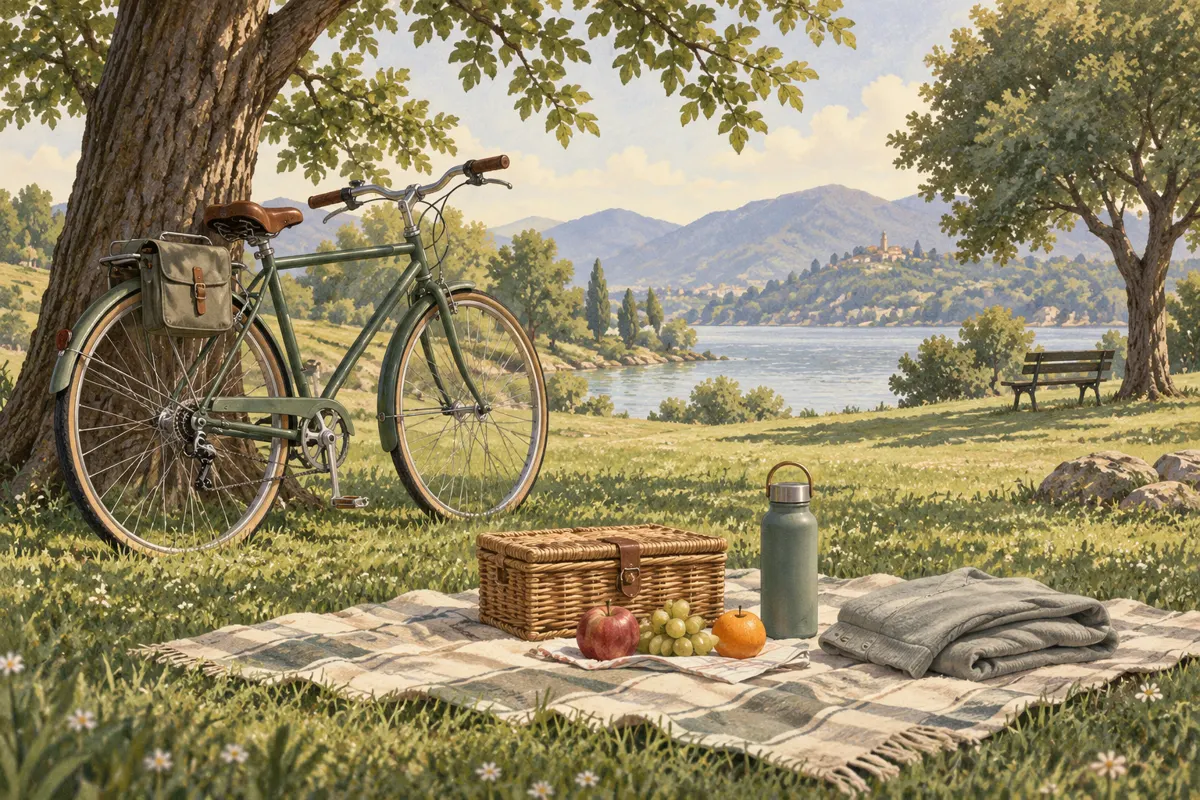
Choose a ride you can comfortably complete both ways, pack a simple picnic in secure containers, and reserve space for water, a layer, and basic bike essentials before adding extras. With one small bike bag, the easiest plan is a modest meal at an easy-to-reach stop. The packing approach below is an editorial proposal for casual riders; adjust it to your bike, appetite, weather, and available bag space.
Choose the picnic stop and return route together
Start with somewhere you would enjoy sitting, then work out how to reach it and get home. Favor a familiar route with surfaces and crossings you already feel comfortable riding. Leave enough energy for the return journey, including any hills you will encounter after eating. A picnic is easier to enjoy when the ride home feels manageable.
- Pick a main stop and a closer alternative in case you want to shorten the ride.
- Check whether the destination offers somewhere to sit and somewhere suitable to secure your bike.
- Review the forecast and plan your departure and return around daylight.
- Save the route before leaving; a small paper map can provide a backup.
- If public transit is your fallback, check its bike carriage rules before relying on it.
Reserve space for the ride essentials
Lay out the essentials before choosing the meal. Cycling packing lists commonly include water, weather protection, a phone, repair supplies, and first-aid items. For a casual outing, tailor these to your circumstances rather than copying a touring list. Wear your helmet and use a secure bottle cage if your bike has one, leaving the bag available for items that need protection.
- Water for the outing, with any refill stop checked in advance.
- Phone, keys, payment method, and saved route.
- A bike lock for the picnic stop.
- A compact layer or rain shell suited to the forecast.
- Repair supplies compatible with your bike that you know how to use, such as a tube, tire levers, and pump.
- Personal medication and a compact first-aid kit as appropriate.
If these items fill the bag, simplify the picnic or choose a closer destination. Keep water and necessary equipment in the plan. Carrying a repair kit is useful only if you can use it; also decide how you would get home if the bike became unrideable.
Build a compact, spill-resistant meal
Our proposed small-bag menu is one main item, one sturdy snack, and one piece of fruit per rider, adjusted for appetite and ride length. Choose foods you enjoy that require little assembly. Crackers, dried fruit, and suitable shelf-stable foods can keep the packing simple. Follow storage instructions on the foods you bring; if something requires refrigeration, plan suitable cold storage or choose another option.
- Use a compact container with a secure lid for anything that could leak or be crushed.
- Keep dressings and dips out of the menu unless you have room for a separate sealed container.
- Pack delicate foods above sturdier items.
- Bring one reusable utensil only if the meal needs it.
- Add a napkin and a small bag for scraps and used packaging.
Try the empty food container inside your bike bag before preparing lunch. Its shape matters as much as its capacity: a wide box may leave awkward gaps. A modest portion that fits securely is easier to carry than a container that prevents the bag from closing.
Pack and check the loaded bike
- Place heavier, sturdier items low in the bag, following the bag maker’s mounting and load instructions.
- Separate food from tools and protect your phone from spills or rain.
- Keep the layer and any snack you expect to use before the picnic accessible.
- Close the bag fully, secure its attachments, and tuck away loose straps.
- Check that the bag clears wheels, brakes, cables, and your legs, and does not obscure lights.
- Check tires and brakes, then take a short ride near home to check for movement or interference.
If the load shifts or affects steering, stop and repack before continuing. Avoid hanging loose shopping bags from the handlebars. Leave a little room for repacking after lunch, when containers, napkins, and the layer may no longer fit as neatly.
Keep the picnic stop simple
At the stop, park clear of paths and entrances, secure the bike, and keep valuables with you. Choose a seat or a small sitting mat rather than a bulky blanket if space is tight. Before setting off again, collect every scrap, close the containers, and check the bag attachments. Take a drink and reassess the return route. If you feel tired or the weather changes, use the shorter option you planned.